
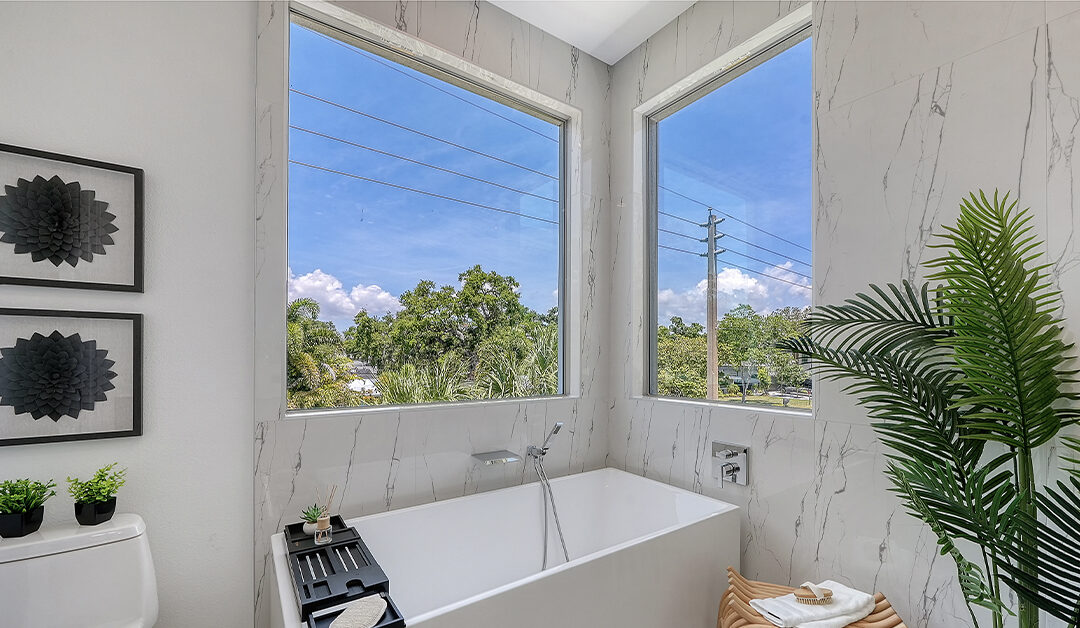
Good ventilation isn’t a luxury in coastal Florida — it’s the foundation of a livable home. When designing custom homes in sunny Sarasota or breezy Longboat Key, coastal ventilation done right is crucial for both comfort and long-term health. The region’s high humidity and salt-laden air demand intelligent airflow design, ensuring interiors stay cool, fresh, and free from moisture damage.
Why Airflow Design Is Critical in Coastal Architecture
A well-considered airflow design efficiently circulates air, reducing reliance on mechanical cooling and mitigating mold growth — a significant concern along the Gulf Coast. According to the Florida Solar Energy Center, proper ventilation can cut cooling costs by up to 15%, a valuable insight for both homeowners and real estate investors. Designing channels for natural breezes can be both economically and environmentally smart.
Cross-ventilation is key to making the most of natural airflow in coastal homes. Placing windows and vents strategically on opposite sides of a room lets warm sea breezes move through, carrying indoor heat out and keeping conditions pleasant — no mechanical help required. It’s one of the oldest tricks in coastal architecture, and it still works beautifully.
Beyond financial savings, proper ventilation also improves indoor air quality by reducing humidity. During Sarasota’s damp summers, water vapor can accumulate in stagnant air and wreak havoc on materials and health. Well-designed airflow passages avoid dead zones where air might stagnate. Vents near kitchens and bathrooms — spots prone to moisture buildup — can guide humidity directly outside, preventing mold and mildew before it starts.
Materials matter here, too. Non-corrosive options like marine-grade stainless steel or aluminum hold up far better than standard metals in a salt-air environment. These materials keep vents, fans, and louvers functioning long after cheaper alternatives have corroded. Along the Gulf, that’s not just smart planning — it’s a requirement.
Room layout is worth thinking through as well. A well-ventilated home isn’t only about where air moves, but how it interacts with the interior. Open floor plans naturally complement ventilation, letting air flow without barriers. Outdoor-indoor living spaces — lanais, courtyards — take this further, creating areas that invite the breeze while shade keeps things comfortable.
For investors, strong airflow design can also be a genuine selling point. Eco-conscious buyers and health-focused residents respond to these features, and in a competitive market, well-ventilated homes can stand out and command a premium.
Effective ventilation is ultimately about creating homes that breathe with their surroundings. Get it right, and it redefines what coastal living can feel like.
How Window Placement Improves Comfort Without Raising Energy Costs
Window placement can play a major role in keeping a home comfortable while holding energy costs down — especially in Sarasota’s warm, humid climate. With thoughtful passive solar home design, you can let the coast do a lot of the cooling work for you.
One effective strategy is aligning windows to harness natural coastal breezes. In Sarasota, those breezes typically come off the Gulf of Mexico from the west and southwest. Placing operable windows on opposite sides of a room allows air to flow freely, carrying away heat and stale air and replacing it with something cooler and fresher. This method can lower indoor temperatures by up to 5°F — and since each degree lowered saves between 3% and 5% on air conditioning costs, that adds up fast.
Strategic window placement also maximizes natural light, which further reduces energy use. North-facing windows are ideal in Sarasota’s climate, offering consistent, indirect light with minimal heat gain. East-facing windows capture the cooler morning light, and with the right overhangs, you can diffuse the intense afternoon sun before it heats up your living spaces.
Window sizing and glazing selection matter just as much as placement. Larger windows allow more light and air but also carry more heat gain potential. Double-glazed windows with low-emissivity (Low-E) coatings reduce heat transmission while maintaining light — improving energy efficiency by up to 50% over standard single-pane windows. The coating reflects heat outward, helping keep interiors cool through Sarasota’s hottest months.
Awnings, louvers, and shutters round out the picture. They complement placement strategies while adding the kind of visual character that fits naturally with Mediterranean and coastal architecture. Research by the U.S. Department of Energy shows that awnings can reduce solar heat gain by up to 77% on south-facing windows and up to 65% on east-facing ones.
Put these elements together and you get homes that feel comfortable from the moment you walk in — without leaning on the AC to do all the heavy lifting.
The Overlooked Role of Ceiling Height in Natural Cooling
Ceiling height rarely gets the attention it deserves in conversations about natural cooling — but in Sarasota, it can be one of your most effective tools.
Higher ceilings allow warm air to rise naturally, keeping it well above the areas where people actually spend their time. That convection process helps maintain a cooler temperature at living level, reducing dependence on air conditioning and the costs that come with it. Studies have shown that ceilings at least 9 feet high improve airflow and maintain more comfortable temperatures compared to standard 8-foot ceilings.
Ceiling fans amplify this effect significantly. In a taller space, they circulate air more broadly without creating uncomfortable drafts — and they can make a room feel up to 4 degrees cooler, which translates to real savings during Sarasota’s long, hot summers.
Skylights, used thoughtfully, add another layer of benefit. Positioned to avoid direct sun exposure while allowing cross-ventilation, they take advantage of the stack effect — warm air rises and exits through upper vents while cooler air is drawn in from below. Add blinds or tinting, and you control heat gain during peak hours without sacrificing natural light.
Tall ceilings also work well alongside transom or clerestory windows placed near the ceiling line. Open these on a warm afternoon and hot air escapes without compromising privacy or security below. It’s a simple detail that makes a noticeable difference.
For homeowners and investors alike, choosing higher ceilings isn’t just a stylistic preference — it’s a strategic decision that improves comfort, reduces energy costs, and adds real value in a competitive market. When combined with ceiling fans, skylights, and smart window placement, it reflects exactly the kind of thoughtful, sustainable architecture that coastal Florida rewards.
Frequently Asked Questions
How do I design a house that stays cool without relying on constant AC?
Start by orienting your home to catch prevailing coastal breezes, with main living areas positioned to take advantage of natural airflow. Incorporate large, operable windows and doors on opposite sides of the home to facilitate cross-ventilation. Use light-colored materials on the roof and exterior walls to reflect rather than absorb heat. Adding overhangs, pergolas, or shade trees blocks the sun’s direct rays before they can overheat your interior. Thermal mass materials like tile or concrete absorb heat slowly and release it gradually, helping balance interior temperatures throughout the day.
What window layouts improve airflow in coastal Florida homes?
Effective layouts prioritize cross-ventilation — windows on opposite sides of a room create a direct path for breezes to travel through. Casement windows are a strong choice because they can be angled to catch even a light breeze. Clerestory windows, placed higher on walls, let hot air escape while keeping lower areas cooler. Louvered windows also work well in Sarasota’s tropical climate, offering adjustable airflow even during rain showers.
Can ceiling height really make a difference in temperature comfort?
Yes, meaningfully so. Taller ceilings allow warmer air to rise above living spaces, keeping lower areas cooler and more comfortable through natural stratification. In Sarasota’s climate, that translates to a home that feels more open and requires less air conditioning. Higher ceilings also accommodate larger ceiling fans, which further enhance airflow and help maintain a comfortable environment year-round.
Comfort in Every Current
Achieving the right balance of comfort, cost-efficiency, and sustainability comes down to how thoughtfully a home is designed — and in Sarasota, that means working with the coast rather than against it. Smart airflow design, strategic window placement, and elevated ceilings aren’t isolated features; they work together to reduce energy costs, control humidity, and create spaces that genuinely feel good to live in.
For anyone looking to build or renovate in the Sarasota area, these aren’t just aesthetic choices — they’re investments in long-term performance and livability. Working with designers who understand local climate conditions and advanced building methods makes all the difference. Courtyard Modern invites you to explore your home’s potential; reach out for a free consultation to learn more about our custom home services, or view a completed property that brings these design principles to life.