
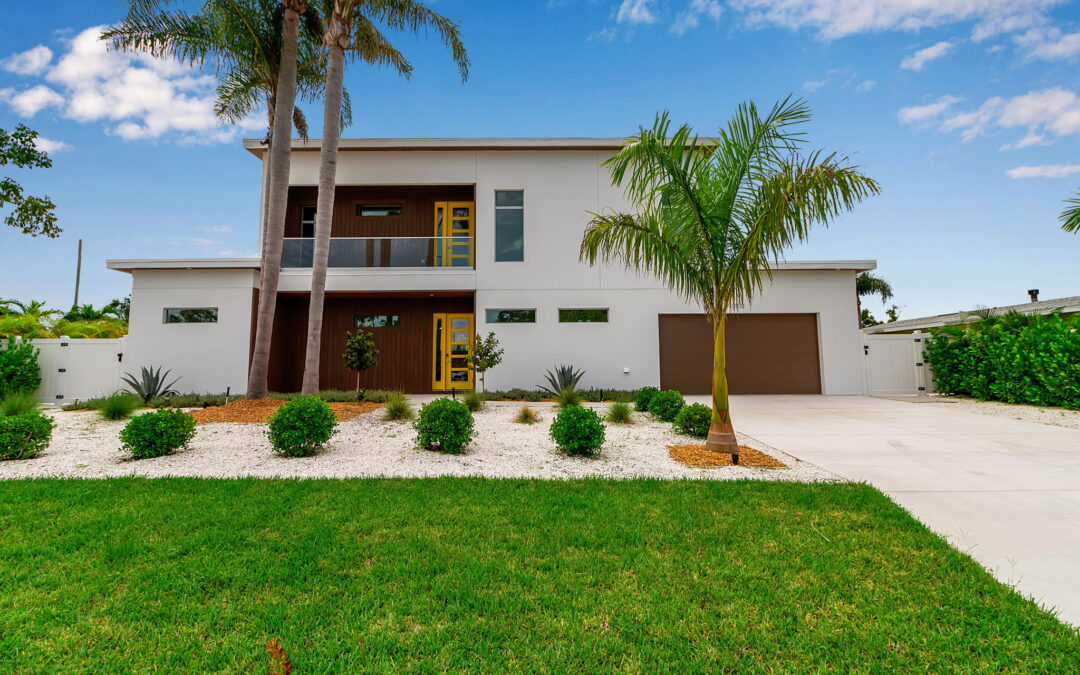
Florida’s climate doesn’t forgive poor construction choices — and in Sarasota, that reality is pushing custom homes into a new era of design. With hurricanes, heavy rains, and extreme humidity setting the baseline, technology is now playing a central role in developing building materials that can actually keep up.
How Technology Is Shaping Next-Generation Building Materials
One of the most significant advancements is engineered timber. Unlike traditional wood, it’s fabricated specifically to enhance strength and durability. A report by the American Wood Council highlights that cross-laminated timber can rival the sturdiness of steel and concrete, yet it’s lighter and more sustainable — an ideal fit for Florida’s coastal climates, where materials need to handle high winds without eroding over time.
Smart concrete is making waves too. By incorporating materials like graphene, scientists have developed concrete variants with self-healing properties: when cracks form, exposure to water and air triggers repair. Researchers from the University of Bath have explored self-healing concrete with positive results, which is particularly relevant for Sarasota’s moisture-rich environment. The practical payoff? Lower maintenance costs and longer-lasting structures for properties prone to water damage.
Then there’s the rise of building-integrated photovoltaics (BIPV). Solar power has moved well beyond rooftop panels — think solar tiles and windows that generate electricity as part of the building envelope itself. In a state with Florida’s sunshine, that matters. According to the National Renewable Energy Laboratory, BIPVs can significantly offset electricity costs, making properties more energy-efficient and appealing to eco-conscious buyers.
Adaptive materials round out the picture. Smart glass, for instance, adjusts its tint in response to sunlight, reducing the demand for air conditioning in Florida’s scorching heat. The U.S. Department of Energy notes this can cut energy usage by up to 20% in buildings. In Sarasota, where cooling costs can skyrocket through summer, that’s a meaningful difference in both comfort and monthly bills.
The convergence of these technologies opens up real possibilities for more resilient homes across Florida. Engineered timber, smart concrete, solar integration, and adaptive materials give builders and investors a toolkit tailored to the Sunshine State’s unique demands — structures built not just for today, but for decades of coastal weather.
Why Sustainability and Safety Now Go Hand in Hand
Sarasota’s construction industry is seeing a genuine shift: sustainability and safety are no longer separate priorities. They’re reinforcing each other — and that’s good news for developers, builders, and the people who actually live in these homes.
Green building materials are leading the charge. Non-toxic, recycled materials reduce the carbon footprint while creating healthier conditions for construction workers and future residents alike. Bamboo flooring is a good example — durable, resistant to wear, and renewable, it lets builders maintain sustainable practices without sacrificing quality or appearance.
Waste management is another piece of the puzzle. Construction sites traditionally generate significant waste, much of it hazardous. Recycling systems and precast concrete components can drastically reduce what ends up on-site — fewer materials scattered around means fewer trip hazards and lower accident risk. Sarasota County’s Construction and Demolition (C&D) debris recycling program reflects how seriously local efforts are taking this, weaving safety protocols directly into eco-friendly practices.
Energy efficiency connects to safety in less obvious ways too. High-quality insulation and energy-efficient windows lower energy bills, yes — but they also improve indoor air quality by reducing pollutants and mold risks. Spray foam insulation, for instance, seals gaps far more effectively than traditional fiberglass, cutting down on the draft and moisture problems that poor installation tends to invite over time.
Roofing deserves its own mention in Sarasota’s climate. Cool roofs reflect more sunlight and absorb less heat, which reduces roof surface temperatures during installation — a meaningful safety benefit for roofing crews working through Florida summers. Reflective tiles and shingles also help reduce the urban heat island effect, which benefits the broader community.
The result is a construction approach where workers are better protected, residents live healthier lives, and investors face reduced long-term risks. Sustainable building in Sarasota isn’t just an environmental statement — it’s a smarter, safer way to build.
By adopting these strategies, builders can meet growing consumer demand for green homes while protecting everyone involved, from construction crews to the families who’ll move in later. That culture of safety and well-being extends beyond individual properties and strengthens the community as a whole.
The Builder Certifications That Separate Average from Elite
In Sarasota’s competitive real estate market, not all builders are created equal — and certifications are often the clearest signal of who’s operating at the top of their field. For buyers and investors, understanding what those credentials actually mean can make the difference between a well-built home and an expensive lesson.
The National Association of Home Builders (NAHB) offers several widely respected programs: the Certified Green Professional (CGP), Certified Graduate Builder (CGB), and Certified Aging-In-Place Specialist (CAPS). Each targets a different dimension of construction — from sustainable practices to designing for long-term livability. In a region like Sarasota, where eco-friendly design and adaptable living spaces are increasingly in demand, a builder holding one or more NAHB certifications signals a real commitment to industry standards, not just minimum code compliance.
LEED certification carries similar weight. A LEED-certified builder adheres to rigorous standards around energy efficiency, water conservation, and indoor environmental quality. Given Sarasota’s environmental pressures and the growing appetite for green homes here, that certification can meaningfully affect both energy costs and long-term property value.
Safety credentials matter just as much. The OSHA 30-Hour Construction Safety Certification ensures builders understand critical protocols for minimizing on-site accidents. Sarasota’s coastal construction environment — frequent roof work, exposure to wind, elevated structures — makes this more than a box-checking exercise. OSHA-certified builders create safer job sites, which reduces risk and liability for developers and investors alike.
Florida-specific credentials add another layer of confidence. The Florida Green Building Coalition (FGBC) certification demonstrates that a builder understands the state’s particular challenges: humidity, hurricane exposure, and the need for regionally appropriate materials. For Sarasota projects, that local expertise isn’t a bonus — it’s essential.
Ultimately, these certifications signal that a builder isn’t just meeting basic codes but actively exceeding them. For homeowners, that means peace of mind. For investors, it means better performance, stronger durability, and a more defensible ROI. Prioritizing certified builders pushes the standard of coastal construction forward — and keeps Sarasota at the leading edge of it.
Frequently Asked Questions
What features define a “resilient” modern home in Sarasota?
Resilient modern homes in Sarasota showcase design elements that withstand harsh coastal conditions like strong winds, heavy rains, and high humidity. Features often include impact-resistant windows, reinforced roofs, and elevated foundations to counter flood risks. Sustainable materials that resist rot and corrosion, energy-efficient systems, and strategic landscaping for windbreaks are also key components that ensure durability and functionality while maintaining a modern aesthetic.
How does new building technology improve safety and longevity?
New building technology significantly enhances the safety and longevity of homes by integrating advanced materials and construction techniques. In Sarasota, innovations like hurricane clips, which secure the roof to the walls, and the use of steel-reinforced concrete can make homes more resistant to structural stress. Smart home technology allows for real-time monitoring of potential hazards such as water leaks or electrical issues. These advancements not only fortify the home against natural disasters but also extend its lifespan through proactive wear-and-tear management.
Are there government or insurance programs that reward resilient design?
Yes, there are government and insurance initiatives in Sarasota that reward resilient design. Programs like FEMA’s grants can assist homeowners in improving the resilience of their properties. Some insurance companies also offer premium discounts for homes built with hurricane-resistant features or environmentally friendly practices, and local tax incentives may be available for energy-efficient or flood-mitigating designs. It’s worth consulting with local authorities and your insurance provider to explore what’s available to you.
Redefining What Resilient Means
Choosing the right builder in Sarasota means navigating both the local climate and growing demands for sustainable, safe homes. Prioritize builders with relevant certifications — they signal a genuine commitment to quality, durability, and eco-conscious construction. Look for builders who are fluent in advanced materials like engineered timber and smart concrete, and who integrate green practices like efficient waste management and energy-saving technologies such as BIPV and smart glass.
Start by evaluating past projects. Visit completed homes when you can, paying close attention to design details, material quality, and how sustainability has been worked into the build. Ask questions about how the builder approaches future-proofing — durable, resilient methods suited to Florida’s demands are worth discussing early.
If you’re planning to build a custom home or improve an existing property in the Sarasota area, working with a certified, reputable builder is essential. Courtyard Modern offers expertise in crafting modern, coastal, Mediterranean, and courtyard-style homes with an emphasis on sustainability and quality. Contact us for a free consultation to learn more about our bespoke home services, or tour a completed property that reflects our commitment to excellence in Sarasota’s vibrant real estate market.