
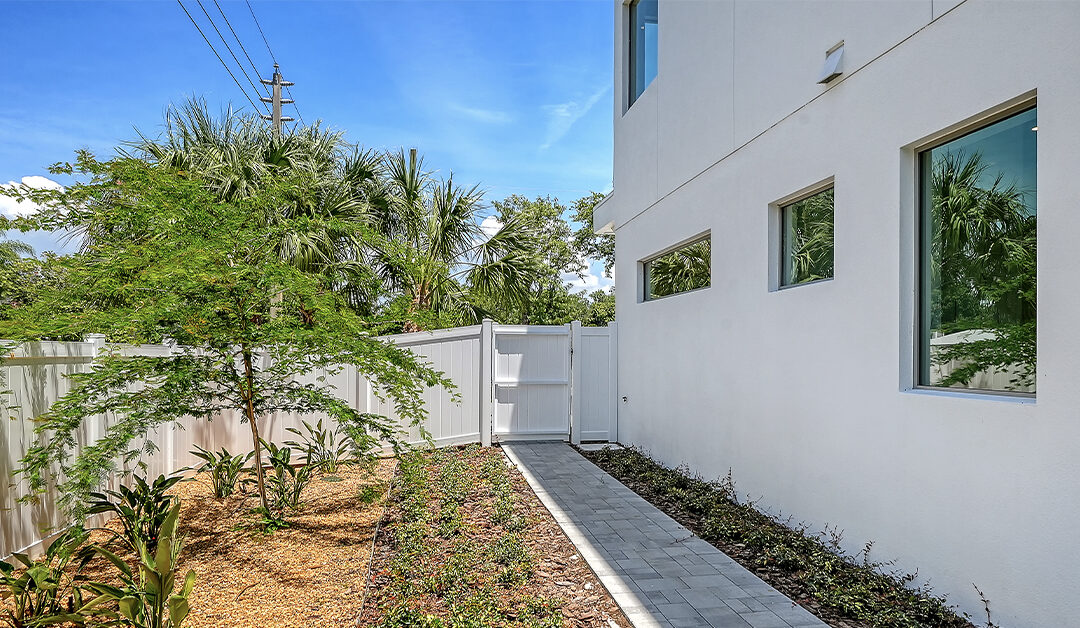
If you’re a homeowner in Sarasota, storm season is not something you can afford to take lightly. Custom homes and older properties alike face real hurricane risk every year, and the difference between minor damage and a major loss often comes down to how well-prepared you were before the first storm formed in the Gulf. Getting ahead of it by focusing on specific areas of your home will strengthen its resistance and give you genuine peace of mind.
How Early Maintenance Keeps Your Home Safe Before the First Storm
Start with your roof — your primary defense against storms. A well-maintained roof is less likely to fail during high winds. Inspect for missing shingles, cracks, or any potential weak spots, and consider upgrading to higher-resistance materials. According to the Insurance Institute for Business & Home Safety, metal roofs can withstand gusts up to 140 mph — a worthwhile investment if you’re planning to stay put for the long haul.
Don’t underestimate your windows and doors either. Impact-resistant windows are a must in hurricane-prone areas. If a full replacement isn’t in the budget right now, rolling shutters or storm panels are solid alternatives — FEMA data shows they significantly reduce wind and projectile damage. Make sure external doors are hurricane-proof, with reinforced frames and at least three hinges.
Gutters and drains are easy to forget, but they matter. Clogged systems lead to roof leaks and water pooling around your foundation, both of which get worse fast during a storm. Clean them out regularly, make sure they’re directing water at least three feet from the house, and consider gutter guards to keep debris from building up between cleanings.
Your landscaping can work against you if it’s not maintained. Trees close to the house should be trimmed regularly — the University of Florida notes that pre-season trimming is far more effective than last-minute cuts, which can actually destabilize a tree’s structure rather than help it.
Take a weekend to walk your home’s exterior and seal any visible cracks in walls or the foundation with waterproof sealant. It’s a small effort that closes off entry points for wind-driven water.
Electrical systems deserve attention too. Have a professional inspect your fixtures and wiring, and look into a whole-house surge protection system — it’s one of those upgrades you’ll be glad you made when a storm rolls through and knocks out power to the neighborhood.
Every one of these steps strengthens your home’s defenses. Start now, and you’re not scrambling when the first storm watch gets posted.
Why Landscaping Choices Can Minimize Storm Damage
Landscaping rarely tops the list when people think about storm protection — but it should. The right design choices can meaningfully reduce storm damage, and Sarasota homeowners who understand that have a real advantage when a major storm rolls through.
Start with tree selection and placement. Trees offer shade and beauty, but the wrong species in the wrong spot becomes a liability fast. The University of Florida’s Institute of Food and Agricultural Sciences (UF/IFAS) recommends native trees like live oaks for hurricane-prone areas — their structure is naturally wind-resistant, unlike more brittle species such as water oaks. Space them well away from the house and prune dead or overgrown branches before season starts.
Grading and drainage matter just as much. Homes built on a slight incline naturally shed water rather than collect it. Swales or dry creek beds can redirect stormwater efficiently, and UF/IFAS notes that permeable ground covers — gravel, native plants — absorb water more effectively than concrete or asphalt, reducing both pooling and soil erosion.
Native, storm-tolerant plants are a smart choice all around. They require less maintenance, handle local weather better, and help anchor the soil during heavy rain. In Sarasota specifically, Firebush and Beach Sunflower are well-suited to the coastal climate and do a quiet, steady job of keeping soil stable when the rain comes hard.
Fencing is worth rethinking too. Solid wood or vinyl panels catch wind like a sail and can be ripped out entirely. Fences with gaps between the slats let wind pass through rather than fight it. Green walls and hedges go even further — as natural windbreaks, they absorb and reduce wind force rather than just blocking it.
Finally, consider smart irrigation. A system that manages water use efficiently keeps your landscape from being waterlogged before a storm hits, which means the soil is actually ready to absorb heavy rainfall when it matters. Pair that with routine pre-season checks and you’ve built a landscape that’s genuinely working for your home, not against it.
The Small Upgrades That Make a Big Difference in Hurricane Protection
Preparing for hurricane season in Sarasota doesn’t always mean major renovations. Some of the most effective improvements are small, strategic, and surprisingly affordable — the kind of upgrades that quietly do a lot of work when a storm hits.
Take hurricane window film, for example. It’s essentially invisible, but it reinforces glass and dramatically reduces the risk of dangerous shards during a storm. Research from the University of Florida’s Department of Civil and Environmental Engineering shows high-quality window film can reduce shattered glass-related injuries by over 50% — meaningful protection without replacing every window in the house.
Roof clips are another underestimated upgrade. These small metal connectors secure roof rafters to the top wall plate, and according to the Florida Building Commission, they can boost wind resistance by up to 30%. Simple to install, significant in impact.
Garage doors are one of the most common failure points during a hurricane — and one of the most overlooked. When a garage door blows out, it creates a pressure imbalance that can compromise the entire structure. Retrofitting with braces or upgrading to a wind-load-rated door addresses that directly. The Federal Alliance for Safe Homes (FLASH) confirms that wind-resistant garage doors help maintain a building’s structural integrity by preventing breached openings from turning into catastrophic pressure events.
On the landscaping side, small swaps help too. Replacing lightweight decorative stones with heavier pavers or gravel around patios and garden paths means less flying debris if winds pick up. It’s the kind of change you make once and don’t think about again.
Attic ventilation systems with hurricane straps or ties serve double duty — they give wind-driven moisture a way out while securing the structure, helping prevent mold and rot from taking hold after a storm passes.
And don’t overlook surge protectors. A 2019 Insurance Information Institute report found that effective surge protection can prevent up to 70% of storm-related electrical damage — protecting not just appliances but the wiring you can’t see inside the walls.
None of these upgrades require a construction crew or a massive budget. They’re the kind of careful, incremental improvements that add up to a meaningfully more resilient home — and a lot less stress when hurricane season gets serious.
Frequently Asked Questions
What maintenance should I do before hurricane season starts?
Before hurricane season, inspect your roof and gutters for damage or debris that could impair drainage during heavy rain. Trim dead or overhanging branches — they become projectiles fast in high winds. Reinforce your garage door, seal any gaps around windows and doors to prevent water intrusion, and test your sump pump. Having a generator on standby is smart too, especially if you’ve been through a Sarasota storm that knocked out power for days.
How can I protect my windows and doors without ruining curb appeal?
Impact-resistant windows and doors are the cleanest solution — they provide real protection without the need for bulky shutters and actually give most homes a sharper, more modern look. If you want something removable, hurricane fabric panels and decorative metal screens are low-profile options that go up quickly when a storm is approaching. Make sure all exterior doors also have proper deadbolts and multipoint locking systems.
Are there upgrades that make homes safer during tropical storms?
Yes — and many of them add long-term value too. A fortified roof designed for high winds and debris impact is one of the highest-return upgrades you can make. A reinforced garage door system, whole-house surge protection, and an upgraded drainage system around the property all meaningfully reduce risk. Elevating essential utilities and appliances off the ground is also worth considering if your property has any flood exposure.
Strength Begins With Preparation
Storm-proofing your Sarasota home doesn’t have to feel overwhelming. Sometimes it’s a roof clip. Sometimes it’s swapping out the stones around your patio. The point is to start, prioritize the highest-risk areas first — roof, windows, garage door — and build from there.
Routine maintenance and annual inspections matter too. Small issues caught early don’t become expensive repairs after a storm. For homeowners who want to think bigger — whether that’s a comprehensive upgrade or understanding what a truly modern hurricane-ready home could look like — Courtyard Modern offers expert guidance and free consultations. Our team works with Sarasota property owners to design and build custom homes that are as durable as they are beautiful. Reach out to learn how the right investment today can protect and grow the value of your Sarasota property for years to come.