
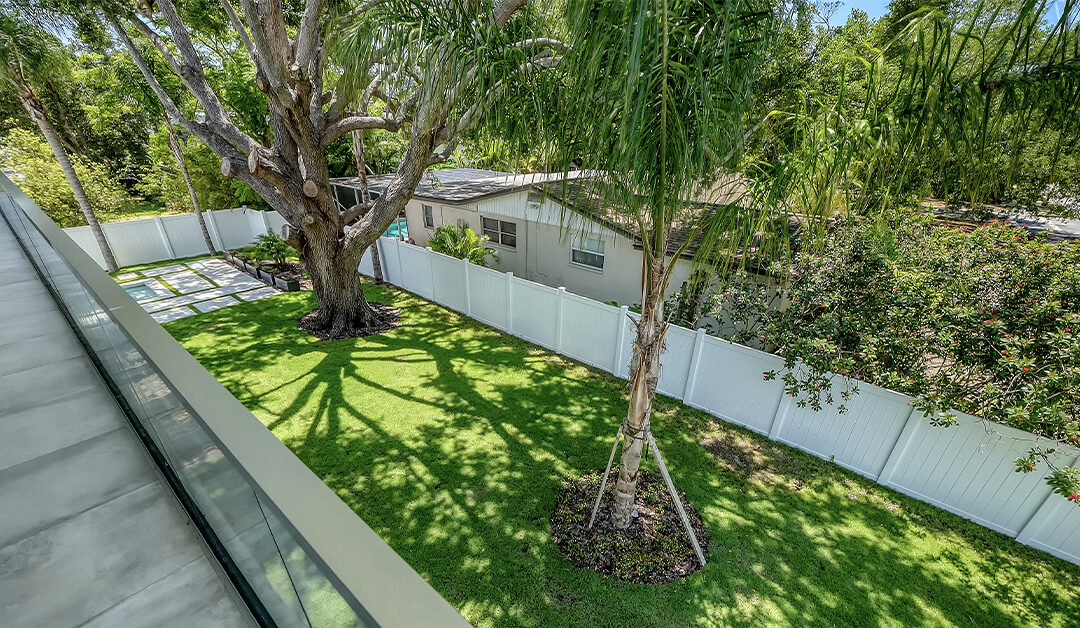
Fall has a way of making even the most understated custom homes feel alive.
Autumn Looks Better in Modern
How Layered Textures Add Warmth Without Clutter
One of the quiet strengths of modern architecture is restraint. Clean lines, open spaces, and intentional materials create a foundation that autumn dressing complements beautifully. The key is layering textures in a way that feels collected rather than crowded.
Start with what you already have. Concrete, wood, and stone — common elements in modern homes — carry a natural warmth that deepens in fall light. Build on those surfaces with textiles that echo the season without overwhelming it. Think wool throws in muted earth tones draped over a minimalist sofa, or a jute rug anchoring a seating area that already lives in neutral territory.
The goal is contrast through material, not color. A chunky knit pillow against a smooth linen cushion. A raw-edged wooden tray holding a few smooth river stones. Matte ceramic vessels beside a polished concrete surface. These pairings create visual interest that feels intentional rather than decorated.
Resist the urge to introduce too many seasonal objects at once. In a modern interior, one or two well-chosen pieces carry more weight than a shelf full of autumn accessories. A single oversized candle in a deep amber or burnt sienna shade can shift the feeling of an entire room. That kind of editing is what separates layered warmth from seasonal clutter.
Lighting plays an equally important role. As days shorten, the quality of natural light changes — softer, more golden, lower on the horizon. Let it in. Sheer panels or bare windows in key rooms allow that seasonal light to do its own decorating. Layer in warm-toned artificial lighting for evenings, favoring dimmer switches and lower wattage to maintain the atmosphere rather than interrupt it.
Why Seasonal Greenery Elevates Modern Curb Appeal
Modern exteriors tend to favor structure over ornament. That discipline pays off in every season, but fall offers a particular opportunity — the chance to let nature’s own palette work alongside your home’s architectural lines rather than compete with them.
Ornamental grasses are among the most effective seasonal additions for modern curb appeal. Varieties like Karl Foerster or Blue Oat Grass hold their shape well into autumn, turning amber and wheat-gold as temperatures drop. Planted in masse or used as flanking elements along a front entry, they add movement and softness without introducing anything visually complicated.
Evergreen structure matters, too. Boxwood, yew, and other clipped hedges maintain their form through the season and provide a steady visual anchor when deciduous plants begin to shed. The contrast between a crisp geometric hedge and the loose, falling color of nearby trees is distinctly modern — controlled and wild in the same frame.
For container plantings near entryways or courtyards, consider combinations that prioritize form alongside color. Mums are reliable, but pairing them with trailing dusty miller or upright ornamental kale adds layers of texture that photograph well and hold up through the season. Keep your container palette tight — two or three colors maximum — to maintain the cohesive look that modern architecture demands.
Finally, consider what falls. Leaf management on a modern property is part of the aesthetic conversation. A clean gravel path or smooth concrete walkway reads very differently when bordered by a thoughtfully raked Japanese maple than when leaves accumulate unchecked. The effort of maintenance is, in this case, part of the design.
The Outdoor Touches That Make Gatherings Feel Effortless
Fall is prime time for outdoor entertaining, and modern homes — with their indoor-outdoor flow, covered patios, and courtyard-style layouts — are built for it. The question is not whether to gather outside, but how to set the stage so it feels natural rather than arranged.
Start with heat. A fire pit or outdoor fireplace shifts the entire dynamic of an autumn gathering, extending time outside well past what the temperature would otherwise allow. In a modern setting, the fire feature itself becomes the centerpiece — choose one that suits the architecture, whether that is a linear gas burner, a sleek steel bowl, or a built-in stone hearth.
Seating arrangement matters more than quantity. A well-configured grouping of chairs around a central point — the fire, a low table, a view — creates an atmosphere of intimacy that encourages conversation. Oversized seating or mismatched pieces tend to fragment the space. Stick with a cohesive material story, whether that is powder-coated aluminum, teak, or concrete-and-cushion combinations, and let the layout do the work.
Lighting outdoors in fall requires the same thoughtfulness as inside. String lights, while popular, can easily tip toward casual in a way that conflicts with modern sensibility. Instead, consider ground-level path lighting, recessed soffit lights, or low-profile stake lights that illuminate without drawing attention to themselves. The goal is a space that glows rather than one that is decorated with light.
Keep the table or surface editing tight. A few pillar candles at varying heights, a low vessel with seasonal branches or dried botanicals, and practical elements like a simple serving board or a ceramic pitcher are enough. Fall outdoor entertaining does not need a theme — it needs an atmosphere. Modern design gives you the structure; the season provides the rest.
Frequently Asked Questions
Can modern homes really feel warm and cozy in fall, or does the style work against that?
Modern design and warmth are not opposites. The architectural restraint that defines modern homes — clean lines, quality materials, uncluttered spaces — actually makes it easier to create genuine warmth. When you are not fighting visual noise, every textural addition carries more weight. A single wool throw or a lit candle reads more clearly in a modern interior than it would in a busier space.
What seasonal colors work best in a modern interior without feeling overdone?
Stay within a muted, natural version of the fall palette. Rust, ochre, warm taupe, deep olive, and charcoal translate well into modern interiors without feeling seasonal in a costumed way. Avoid overly saturated oranges or reds unless your existing palette already leans warm. The idea is to deepen what is already there rather than introduce a new color story.
How do I add fall greenery without making my modern yard look like a traditional garden?
Focus on structure and repetition. Modern landscapes favor plants used in deliberate groupings rather than mixed cottage-style plantings. Choose two or three varieties with strong form — ornamental grasses, clipped evergreens, a specimen tree — and use them consistently. Avoid overly decorative or fussy plant combinations, and keep hardscape surfaces clean and well-maintained.
What is the easiest outdoor upgrade for fall entertaining in a modern home?
A quality heat source and cohesive lighting. These two elements do more to create an inviting outdoor atmosphere than any amount of seasonal décor. If you already have a patio or courtyard, adding a portable fire feature and upgrading your outdoor lighting to something warm-toned and low-profile will transform how the space feels after dark — which is when most fall gatherings happen.
Are there properties designed with this kind of indoor-outdoor fall living in mind?
Yes. Courtyard Modern specializes in homes where the relationship between interior and exterior space is part of the architecture itself — not an afterthought. If you are looking for a home that lives as well in October as it does in July, browsing the current available properties is a good place to start.