
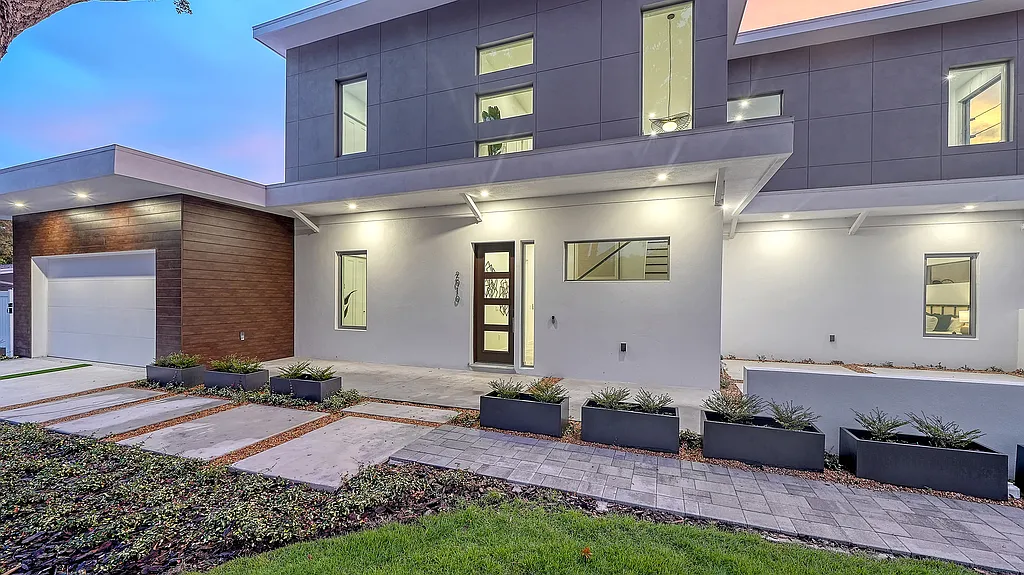
Building custom homes in Sarasota isn’t just about getting the design right — it’s about making sure what you build can actually survive here. Coastal Florida comes with real environmental pressure: high winds, hurricane threats, salty air, and soil conditions that can catch builders off guard. Engineering partnerships exist precisely to address these challenges, ensuring every structure meets code while still delivering the home you envisioned.
How Engineering Partnerships Ensure Every Structure Meets Code
In Sarasota, homes face particular environmental pressures from tropical storms and hurricanes, which demand stringent adherence to building codes. When builders collaborate closely with skilled engineers, every aspect of the home’s design accounts for these realities. According to the Insurance Institute for Business & Home Safety (IBHS), homes built to modern engineering standards have been shown to significantly reduce losses during storms.
One of the most critical aspects of these partnerships is the detailed assessment phase. Engineers use topographical data and environmental research to evaluate soil stability, flood risks, and wind patterns — work that often leads to integrating features like elevated floor systems or reinforced roofs before a single wall goes up. That early input guides construction from the ground up.
New construction technologies play a vital role here too. Parametric modeling, for instance, allows engineers to simulate environmental stresses on a design before construction begins. Think of it like crash-testing a car — you want to find the weak points in a controlled environment, not after the storm. A study from the Journal of Architectural Engineering highlights how such modeling can improve structural resiliency, potentially saving homeowners thousands in future repair costs.
Quality assurance is another layer of this collaboration. Engineers regularly inspect the construction process, confirming that materials and techniques meet rigorous safety codes. According to the American Society of Civil Engineers, these inspections not only keep builders compliant but also enhance long-term home performance — and they substantially reduce the risk of costly rebuilds due to code violations.
Professional engineering input also shapes design details you might not think to ask about. Corrosion-resistant materials, for example, protect homes from salt air — a detail that’s easy to overlook without expert guidance. As FEMA notes, strategic material selection can markedly influence a building’s lifespan and safety.
Strong engineering partnerships turn safe home construction in Sarasota from a checkbox exercise into a genuine process. They strike the balance between coastal beauty and structural integrity — and that balance benefits everyone, from first-time homeowners to seasoned investors.
Why Peace of Mind Starts With the Right Pre-Construction Plan
Florida’s building codes can feel like a maze — but getting ahead of them before construction starts is one of the smartest moves you can make. As we look toward Florida building codes 2025, incorporating these upcoming changes into your pre-construction plan isn’t just about compliance. It’s about building something that will hold up to Florida’s climate and geography for decades.
The updated codes place a strong emphasis on hurricane resilience. In a subtropical climate like Sarasota’s, that matters for both safety and insurance. Roofing standards, for example, now require materials rated for higher wind speeds and stricter anchoring requirements. Getting those details right in the design phase prevents expensive retrofits later.
Flood zone regulations deserve equal attention. Given Sarasota’s coastal nature, the Florida building codes 2025 include updated flood elevation levels — meaning some properties may require elevated foundations. If you’re buying or building near the water, working with a builder who understands these requirements helps protect both your safety and your property value.
Energy efficiency is another area where early planning pays off. Upcoming regulations continue to push for improvements like thicker insulation and high-efficiency HVAC systems. Meeting these standards from the start reduces long-term utility costs and makes your home more attractive to buyers who prioritize sustainability.
The economic case for pre-construction planning is straightforward. Projects that account for Florida building codes 2025 from day one face fewer delays, fewer penalties, and fewer budget surprises. Corrections made on paper cost a fraction of what they cost mid-build.
The evidence backs this up. Post-Hurricane Irma reports showed that newer constructions built to stringent codes sustained significantly less damage — a real-world validation of what foresight in the planning phase can accomplish.
In the Sarasota market, staying ahead of code changes can also set your property apart. Homebuyers increasingly seek homes that offer long-term safety and efficiency. A home built to tomorrow’s standards today signals quality before anyone walks through the door.
A meticulous pre-construction plan, fully aligned with evolving regulations, is the foundation for peace of mind. Understanding and applying Florida building codes 2025 ensures not just compliance, but resilience — giving you the confidence to build strategically in an environment that doesn’t leave much room for shortcuts.
The Importance of Builder Transparency During the Inspection Process
Home inspections in Sarasota can feel like a labyrinth, especially for first-time buyers or investors unfamiliar with the process. Without clear guidance, it’s easy to get lost in technical jargon and complex procedures. Builders who demystify this process build genuine trust — and in a coastal market like Sarasota, that transparency isn’t optional. It’s essential.
Building here means confronting specific challenges: hurricane risk, salt air corrosion, and shifting coastal soils. During inspections, you need to understand how these factors affect your property’s integrity. Builders who openly discuss inspection details with their clients turn what could be an intimidating experience into a productive one. According to the National Association of Home Builders, effective communication between builders and clients leads to higher satisfaction and fewer disputes.
A storm-ready home checklist gives investors and buyers a concrete framework for peace of mind. Structures near the ocean, for instance, may need more frequent evaluations for corrosion and wind damage than homes further inland. A knowledgeable builder can walk you through that checklist — covering roofing, structural seals, and window strength — so nothing critical slips through the cracks.
Transparent builders also make inspection reports accessible and readable. Look for documents that use diagrams and plain-language explanations rather than dense, technical text. That kind of clarity empowers you to make informed decisions about repairs and future planning. A 2019 study by the Journal of Real Estate Finance and Economics found that transparent reporting during inspections can enhance property investment decisions, leading to more robust outcomes.
Inspections are also an opportunity for direct engagement. A builder who invites you to attend the inspection gives you firsthand insight into construction quality and code compliance — especially valuable as Florida’s building codes continue to evolve. Seeing the process in person builds confidence in ways that a written report simply can’t.
Ultimately, builder transparency during inspections protects your long-term investment. A home that passes inspection shouldn’t just clear the minimum bar — it should give you genuine confidence in its ability to handle whatever Sarasota’s environment throws at it. Transparent builders build toward that standard, not just away from liability.
In a market shaped by varied climate conditions and shifting regulations, transparency through the inspection process is a signal of a builder’s broader commitment to quality. It fosters safer homes, stronger investments, and a more secure path into Sarasota’s vibrant coastal lifestyle.
Frequently Asked Questions
How do I know if my builder is following hurricane safety codes?
To ensure your builder is adhering to hurricane safety codes, ask them about their compliance with the Florida Building Code, which mandates specific guidelines for wind resistance. Request to see their licensing and any certifications related to storm readiness. You may also consider hiring a third-party inspector to review the building plans and check the construction site regularly. Good builders will openly communicate and provide evidence of their commitment to safety codes.
What should I ask during the design phase to make my home safer?
During the design phase, focus on the materials and construction methods that cater to hurricane resilience. Ask about impact-resistant windows and doors, reinforced roof trusses, and the use of concrete blocks over wood frames. Inquire about elevated foundations to mitigate flood risk and discuss the layout of exterior landscaping to reduce wind hazards. A reputable builder will be able to provide suggestions tailored to Sarasota’s unique coastal challenges.
Are there special inspections required for storm-ready homes?
Yes, there are special inspections that ensure a home is storm-ready. These inspections often include checking roofing installations, anchoring systems, and the integrity of windows and doors. Before construction is complete, it’s wise to have a wind mitigation inspection, which can also qualify you for insurance discounts. Your builder should coordinate these inspections to ensure compliance and provide peace of mind.
Security Starts With Smart Design
Building in Sarasota is an exciting endeavor — and one that rewards careful attention to the region’s climate, codes, and coastal character. With the right planning, what can feel like a complex web of regulations and inspections becomes a clear roadmap to a home that’s both resilient and beautiful. Embracing the latest construction technologies and building strong engineering partnerships ensures your home stands up to Sarasota’s environmental demands while standing out in the real estate market.
If you’re ready to explore building a custom home with a focus on safety, location-specific challenges, and lasting design, consider reaching out to experienced local experts. At Courtyard Modern, we offer complimentary consultations to guide you through building codes, innovative construction techniques, and strategic planning. Whether you want to tour our completed properties or start customizing your own, our team is ready to help bring your vision to life — and make sure your transition into the Sarasota lifestyle is as seamless as possible.