
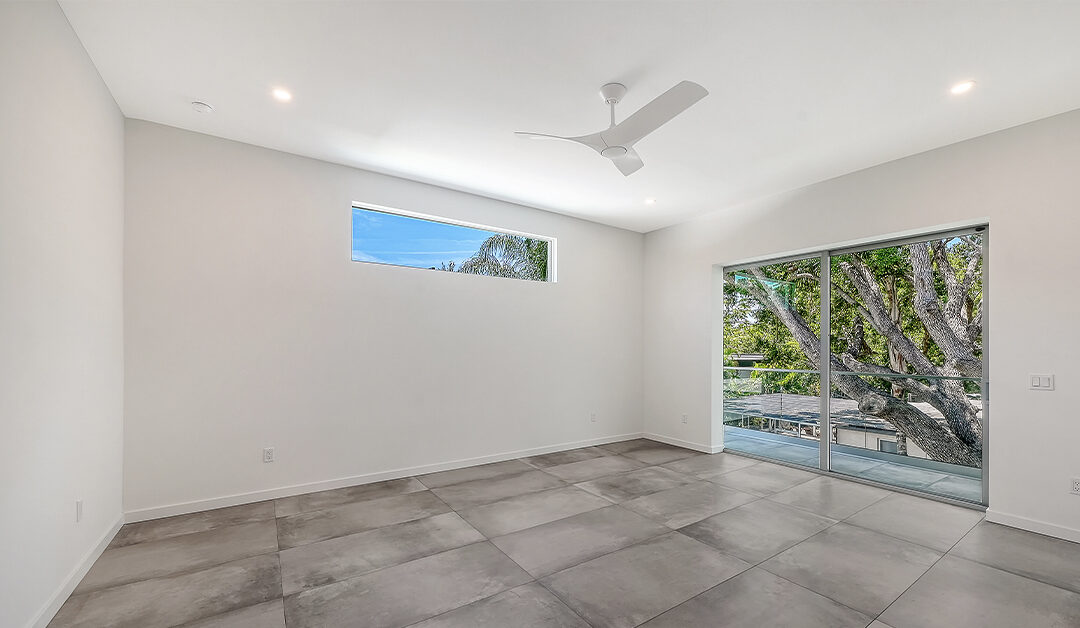
Sarasota’s best custom homes don’t fight their surroundings — they grow out of them. Modern home design here blends contemporary architecture with the natural beauty of Florida’s coastal environment, and the results speak for themselves. Embracing natural materials enhances aesthetics while strengthening the connection between indoor spaces and the surrounding landscape. Here’s how integrating these elements transforms a home into a harmonious extension of its environment.
How Natural Materials Connect Contemporary Architecture to Its Surroundings
Natural materials — wood, stone, even bamboo — are vital components in modern home design. Sarasota’s rich and diverse landscape provides unique opportunities for using local materials. Limestone, prevalent in Florida, works beautifully for flooring or wall accents. According to a study published in the Journal of Cleaner Production, using locally-sourced materials in construction reduces a home’s carbon footprint by up to 30%.
Wood is another popular choice for warmth and texture. Sarasota’s blend of modern and coastal design often incorporates cypress and salvaged wood for beams or exposed ceilings — materials that age beautifully and complement the outdoor scenery in a way no manufactured finish can replicate.
Maximizing Light and Views
Large windows and open spaces allow natural light to pour in, creating seamless transitions from inside to out. Floor-to-ceiling glass walls are a hallmark of modern homes and offer unbeatable views of Sarasota’s picturesque coastlines. The International Journal of Environmental Research and Public Health notes that exposure to natural light can increase alertness and mood, making homes brighter and more inviting.
Using natural materials both inside and out creates continuity between a home’s interior and the natural world — spaces feel larger, more integrated, without relying on artificial design elements.
Integration with Landscape
Sarasota’s subtropical climate and lush surroundings offer a perfect backdrop for integrating homes with their landscapes. Native plants provide aesthetic appeal and real environmental benefits, conserving water and supporting local ecosystems. A report by the Florida Native Plant Society highlighted that landscapes using native plants require up to 50% less water and no fertilizers or pesticides.
Water features like ponds or pools use natural stone to blend with their surroundings, adding tranquility while reflecting the area’s coastal charm. Done well, a sustainable landscape doesn’t just look good — it roots your home in the place it belongs.
Creating Sustainable Spaces
Natural materials aren’t just beautiful; they’re also sustainable. They contribute to energy-efficient designs, such as thermal masonry that helps regulate indoor temperatures. A study published in Building and Environment found that incorporating thermal mass materials like stone and concrete could reduce home energy consumption by approximately 15%.
Materials like bamboo and reclaimed wood reduce dependency on non-renewable resources while keeping energy bills lower. It’s a practical payoff that compounds over time.
In Sarasota, blending contemporary architecture with natural materials results in homes that are visually stunning and deeply connected to their environment. For builders and homeowners who value both elegance and environmental harmony, this approach offers endless possibilities.
Why Large Windows and Open Courtyards Enhance Natural Ventilation
In Sarasota’s subtropical climate, good design doesn’t just look smart — it keeps you cool without running up your energy bill. Incorporating large windows and open courtyards isn’t just about aesthetics; it’s a strategic move toward a more sustainable home. Natural ventilation is a crucial component in sustainable building, allowing you to reduce reliance on artificial cooling systems in a place where the sun doesn’t take days off.
Large windows enable cross-ventilation — a natural process where cooler outside air circulates through the home, replacing warm air that’s accumulated inside. According to the U.S. Department of Energy, homes effectively utilizing natural ventilation can save up to 40% on cooling costs. Strategically placing windows on opposite walls maximizes airflow, drawing in the sea breeze while expelling hot air.
Open courtyards take this a step further. The courtyard acts as a natural thermostat, gathering cool air in shaded areas and funneling it inside. Think of it as a built-in buffer zone between the heat outside and the comfort you want indoors. This approach not only provides effective cooling but fosters a seamless indoor-outdoor living experience.
Research from the Journal of Sustainable Development shows that homes designed with courtyards report significantly lower indoor temperatures, especially during peak summer months. These natural design elements reduce the energy load for cooling systems, leading to long-term cost savings.
For those looking to invest in Sarasota’s real estate market, the appeal of sustainable building practices is hard to ignore. Eco-conscious buyers are willing to pay a premium for homes that deliver both energy savings and an environmentally friendly lifestyle. A 2020 report by the National Association of Home Builders found that green homes sell 8% faster than traditional homes.
Large windows also offer something no energy audit can fully capture — an unparalleled connection to the region’s stunning landscapes. Imagine waking up to views of the Gulf’s calming blues or lush Floridian greenery, all while knowing your home is working with the environment rather than against it.
Strategic design choices like large windows and open courtyards give homeowners and builders a real edge — one that benefits both pocketbooks and the planet. Embracing these sustainable building practices sets a new benchmark for living well in Florida, where the beauty of nature is never far from your door.
The Role of Landscape Architecture in Sustainable Modern Design
Landscape architecture in sustainable modern design is about far more than curb appeal. In Sarasota, where nature offers a vivid backdrop of coastlines and verdant flora, it becomes a pivotal element in eco-friendly home design — one that shapes how a home breathes, cools itself, and connects to its surroundings.
Native Vegetation
A key principle in sustainable landscape architecture is the use of native plants. In Sarasota’s subtropical climate, landscape architects can design lush, low-maintenance gardens that significantly reduce water use and eliminate the need for chemical fertilizers. According to research by the University of Florida, native plant gardens can cut irrigation needs by half compared to non-native plantings — savings that show up both environmentally and on your water bill.
Native species such as saw palmetto, coontie, and beach sunflower thrive in the local soil and climate while providing habitat for regional wildlife. They keep landscapes vibrant year-round, support native bees and butterflies, and connect the home to the broader ecosystem around it.
Implementing Water-Conserving Features
Sustainable landscape design often incorporates innovative water management systems — essential in Florida’s variable climate. Rain gardens use gently sloped landscapes to collect runoff, allowing water to filter naturally into the ground and reducing the urban runoff that carries pollutants into local waterways. Sarasota County highlights that rain gardens can absorb up to 30% more water than traditional lawns.
Permeable pavements are another reliable tool. These surfaces allow rainwater to filter through rather than pool and run off, reducing flooding while replenishing groundwater supplies. Applied creatively with local materials like shells or smooth stones, they’re as visually appealing as they are practical.
Enhancing Microclimates with Strategic Planting
Planting trees on the east and west sides of a property naturally shades the home, reducing cooling costs during Sarasota’s hottest months. A study in Energy and Buildings found that strategic planting of this kind can lower a home’s energy use by up to 20% annually.
Layered plantings of various heights and densities can further modulate temperatures, shield homes from winds, and provide privacy — no obtrusive fencing required. The result is comfortable, energy-efficient outdoor space that genuinely extends your living area.
Incorporating Artistic Elements
Landscape architecture isn’t solely practical. Features like bespoke stone pathways, trellises entwined with indigenous vines, and sculptural water features using reclaimed materials add texture, character, and a sense of place. They reinforce Sarasota’s unique coastal identity in ways that purely functional design simply can’t.
By weaving native vegetation, smart water management, and strategic planting into home design, landscape architects in Sarasota create environments that are aesthetically compelling and environmentally sound. This approach raises the overall environmental quality of a property while embracing biophilic principles — fostering a genuine, lasting connection with the natural world.
Frequently Asked Questions
How can I design a modern home that still feels connected to nature?
Designing a modern home that connects with nature involves strategic use of large windows, natural materials, and open spaces. In Sarasota, homes often feature open floor plans with extensive glass walls or sliding doors that invite natural light while offering stunning views of the coastal landscape. Integrating indoor and outdoor living spaces — verandas, patios, covered lanais — lets you enjoy the ocean breeze and tropical surroundings year-round. Using sustainable materials like bamboo flooring or reclaimed wood deepens that connection while reducing environmental impact.
What building materials work best with Sarasota’s natural surroundings?
Several materials naturally complement Sarasota’s local environment and climate. For exterior surfaces, coral stone or coquina integrate seamlessly with the coastal aesthetic and hold up well over time. Inside, terrazzo flooring or locally-sourced hardwoods suit the subtropical environment and help regulate indoor temperatures. Metal roofing — which resists saltwater corrosion — and hurricane-impact glass are practical essentials given the area’s weather conditions.
How do builders protect trees and landscaping during new construction?
Protecting existing trees and landscaping is crucial for maintaining a property’s natural beauty in Sarasota. Builders typically begin by assessing the site’s vegetation and planning construction around significant trees. Protective barriers or fencing may be installed to shield trunks and root zones from heavy machinery and construction debris. Landscaping efforts often include soil aeration, mulching, or relocating smaller plants to ensure their survival. Working with arborists throughout the process helps ensure the existing natural landscape is preserved, not just managed around.
Where Architecture Meets the Earth
Building a sustainable, modern home in Sarasota’s captivating coastal setting is an exciting journey — for first-time homeowners and seasoned investors alike. With a thoughtful approach that includes natural materials, large windows, open courtyards, and eco-friendly landscaping, your home can be both a stunning sanctuary and a model of efficiency. Good next steps include evaluating your property’s unique characteristics, exploring material options, and determining how natural features and design elements can best be integrated for a seamless living experience.
Consider connecting with a professional who can guide you through this process and bring your vision to life. The team at Courtyard Modern offers expertise in crafting custom homes that harmonize with Sarasota’s landscape while prioritizing sustainability and style. Whether you’re imagining your dream home or exploring innovative real estate investment opportunities, reach out for a free consultation to discover how they can turn your ideas into reality. Visit Courtyard Modern today to learn more about their custom home services or to explore their completed properties.