
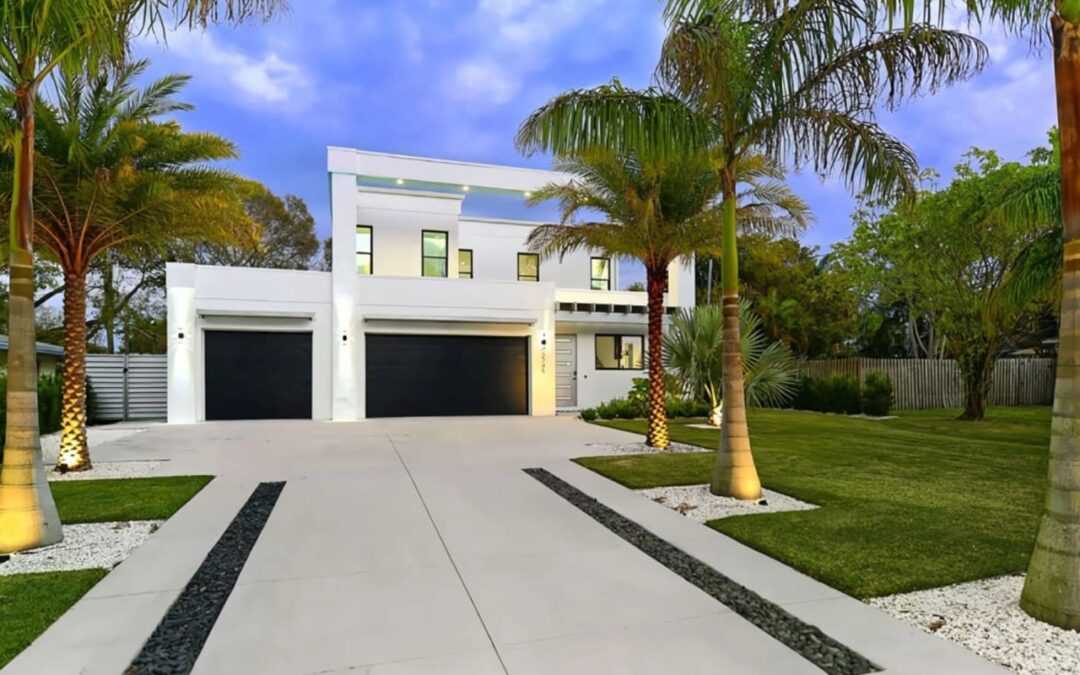
Coastal living comes with a trade-off most buyers don’t think about until summer hits. For custom homes in Sarasota and along Florida’s Gulf Coast, humidity isn’t just uncomfortable — it’s a structural challenge. Fluctuating coastal temperatures and persistently high moisture levels create a specific set of problems: mold risk, energy loss, and indoor temperatures that feel impossible to control. Fortunately, insulation technology has caught up.
Early insulation materials were designed almost entirely with cold climates in mind. Humid environments present a different problem — moisture accumulation and poor airflow resistance — and for years, homeowners in Florida were working with tools that weren’t built for their conditions. That’s changed significantly.
Spray foam insulation has been one of the biggest shifts. It forms an airtight seal that stops moisture before it enters, which cuts mold risk and keeps indoor temperatures far more stable. Closed-cell spray foam in particular carries a high R-value, meaning strong thermal resistance. According to a study by the Spray Polyurethane Foam Alliance, homes using this insulation type can see energy savings of up to 50% — a meaningful number when your AC runs nine months out of the year.
Reflective and radiant barriers have also transformed how builders approach Florida homes. Rather than slowing heat transfer like traditional insulation, radiant barriers reflect heat away — keeping interiors cooler without demanding more from your HVAC system. The Oak Ridge National Laboratory found that homes in hot, humid climates using radiant barrier technologies can reduce cooling costs by around 10–20%.
The most effective approach combines both. Pairing spray foam with a radiant barrier addresses moisture and radiant heat simultaneously — think of it as handling the humidity with one hand and the Florida sun with the other. For Sarasota homes, that combination offers thermal resistance and heat reflection working together, rather than relying on either alone.
For anyone buying or building in the area, these advances matter beyond comfort. Better insulation reduces energy consumption, which makes a property more attractive to renters and buyers watching their utility bills. It also supports a lower carbon footprint — increasingly important to the buyers and investors active in this market.
Insulation for humid climates has moved well past one-size-fits-all solutions. From spray foam to radiant barriers to hybrid systems, the options are more sophisticated and more effective than they’ve ever been — and for Sarasota homeowners, that translates directly into resilience, efficiency, and long-term property value.
Why Reflective Barriers Are Critical in Sarasota’s Coastal Regions
If you’ve ever walked into a Sarasota home in July and felt the ceiling radiating heat downward, you already understand why reflective barriers matter. In a region where bright sun and high temperatures aren’t seasonal — they’re just the baseline — managing radiant heat is one of the most practical things you can do for a home’s comfort and efficiency.
Reflective barriers, typically aluminum-based materials installed beneath the roof, work by bouncing radiant heat away rather than absorbing it. This keeps the building cooler during summer months and reduces how hard your HVAC system has to work. According to the Oak Ridge National Laboratory, radiant barriers can reduce cooling costs by 5% to 10% in warm climates like Sarasota’s. For homeowners watching monthly utility bills, that adds up. For investors, it’s a genuine selling point with eco-conscious buyers and renters.
New construction in Sarasota is increasingly built with reflective barriers integrated from the start. Builders like Courtyard Modern prioritize energy savings by design, treating insulation strategy as part of the architectural process rather than an afterthought. For existing properties, retrofitting a reflective barrier into attic space is one of the more cost-effective upgrades available.
The benefits go beyond the utility bill. Reflective barriers help stabilize indoor temperatures throughout the day, which matters especially for year-round Sarasota residents who feel every swing in the afternoon heat. There’s also the environmental side — lower energy use means lower carbon emissions, which aligns with where buyer demand is heading.
When selecting materials, look for products tested and rated by organizations like ASTM International. Florida’s climate is specific enough that performance ratings matter, and installation quality matters just as much — gaps or misalignment can quietly undermine the whole system.
Whether you’re building from scratch or improving an existing home, reflective barriers are less of an optional upgrade and more of a baseline expectation for coastal construction in this region. The economic and environmental case for them is clear, and in Sarasota’s market, they’ve become part of what serious buyers look for.
The Cooling Advantages of Pairing Insulation With Efficient Ventilation
In Sarasota, where summer-like temperatures stick around for most of the year, insulation alone only gets you so far. Pair it with efficient ventilation, and you get something much more powerful. According to the U.S. Department of Energy, homeowners can save up to 30% on heating and cooling costs by combining these two systems — and in Florida, that’s not a minor detail.
Insulation creates the barrier that minimizes heat transfer, keeping cool air in and hot air out. But in a humid climate like Florida’s, moisture and inadequate airflow can still undermine that barrier. Ventilation handles what insulation can’t — regulating humidity and indoor air quality, which directly affects both comfort and cooling demand.
A well-ventilated attic is a good example. Without proper airflow, heat builds up in the attic space and radiates down into your living areas, forcing your AC to work harder. Add ridge or soffit vents, and you create an efficient exchange of indoor and outdoor air that offloads heat before it becomes your problem. The Florida Solar Energy Center notes that venting hot air from attic spaces can significantly cut HVAC energy use, particularly during peak summer months.
Attic fans take this further. Powered fans actively pull hot air out, while passive systems use natural airflow patterns. Either way, pairing them with spray foam insulation tightens the thermal envelope of the home — cutting cooling costs while also preventing moisture buildup that can degrade insulation material over time.
For whole-home performance, balanced mechanical ventilation systems like energy recovery ventilators (ERVs) or heat recovery ventilators (HRVs) go a step further. They introduce fresh, filtered air while expelling stale indoor air, transferring heat between the two airstreams without mixing them. In high-humidity climates, this means you maintain air quality and comfort without hemorrhaging energy.
Material selection matters throughout. Insulation should carry an R-value appropriate for Florida’s climate, whether you’re using spray foam or fiberglass. Ventilation systems should meet standards set by organizations like the Home Ventilating Institute to ensure real-world performance rather than just spec-sheet numbers.
Taken together, strategic ventilation and superior insulation don’t just lower your energy bills — they improve comfort, protect your investment, and support the kind of sustainable, cost-effective living that Sarasota’s real estate market increasingly demands.
Frequently Asked Questions
What type of insulation works best for humid climates like Sarasota?
For humid climates like Sarasota, closed-cell spray foam insulation is often recommended. It provides an excellent air and moisture barrier, keeping humid air from seeping into your home. Another solid option is fiberglass batt insulation, which is moisture-resistant and offers good thermal performance. Both can help keep your home comfortable and energy-efficient in the sticky Florida heat.
How can insulation help reduce cooling costs in coastal homes?
Proper insulation plays a crucial role in reducing cooling costs by preventing cool air from escaping and hot air from entering your home. In Sarasota, where the sun can be relentless, having adequate insulation in the attic, walls, and floors can significantly lower your AC usage. This translates into reduced utility bills and a more eco-friendly home — without sacrificing comfort.
Are spray foam or traditional insulation options better for new builds?
Spray foam is often favored in new builds for its superior sealing capabilities and high R-value. It expands to fill gaps and crevices, providing a stronger barrier against air and moisture than traditional options like fiberglass. That said, fiberglass is more cost-effective and easier to install if upfront budget is a priority. The best choice depends on your specific goals and what your coastal home actually needs.
Cool Comfort, Year After Year
Getting insulation right in Sarasota’s climate isn’t complicated once you understand what you’re working with. Prioritizing materials built for humidity — spray foam, hybrid systems, reflective barriers — means you’re investing in your home’s long-term performance, not just checking a box. Whether you’re building new or retrofitting, pairing the right insulation with proper ventilation is what separates a comfortable home from one that fights you every summer.
For homeowners, investors, or anyone rethinking their current setup, understanding your home’s specific needs is where the savings start. Courtyard Modern specializes in energy-efficient custom homes designed for Sarasota’s climate. Reach out today for a free consultation or to tour a completed property.