
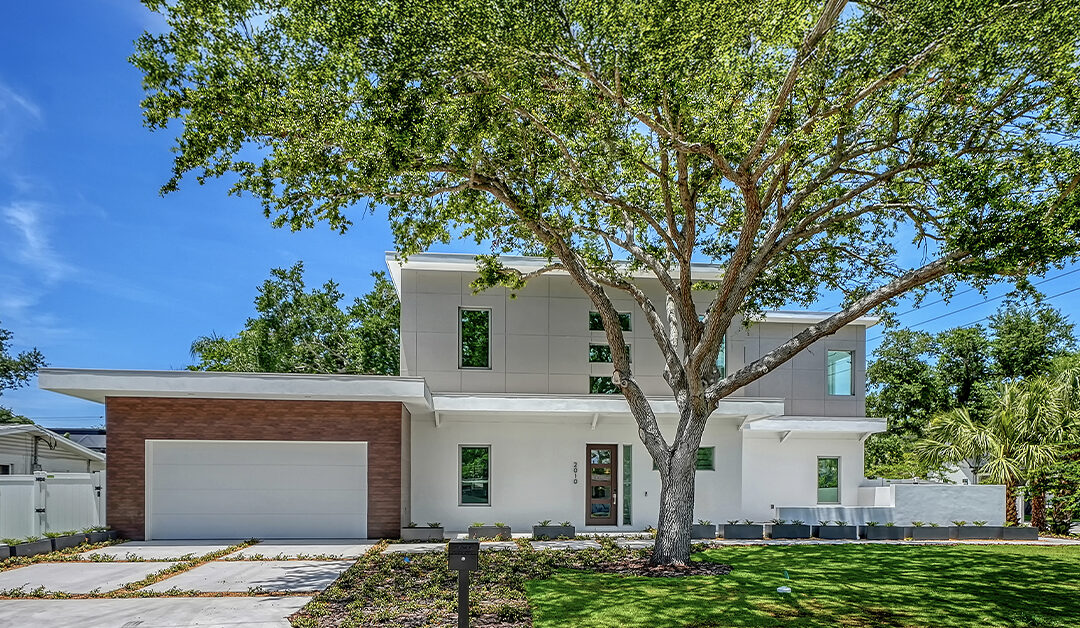
Sarasota homeowners building or buying custom homes often assume bigger is always better when it comes to solar. It’s not that simple.
System size isn’t just about the number of solar panels. It’s the total capacity to generate electricity, measured in kilowatts (kW). The larger the system, the more power it can produce — but there’s much more to consider than just installing the biggest system available.
The first step is matching system size to actual energy usage. The average Sarasota household uses about 1,000 kilowatt-hours (kWh) monthly. Start by reviewing past utility bills to understand your consumption patterns. If you’re designing a property from scratch, a builder or designer should assess square footage, planned appliances, and general energy demands to estimate future use.
Oversizing a system might seem like a smart move, but it can backfire. According to the National Renewable Energy Laboratory, once a home generates more electricity than it uses, surplus energy may often be sold back to the grid at reduced rates. A well-planned system size — one that closely matches actual energy needs — avoids that waste.
Smaller systems, while less costly upfront, may not meet energy needs during peak demand months. Sarasota summers are brutal on electric bills, with air conditioning running almost constantly. A well-sized solar setup accounts for those seasonal swings to keep production and usage in balance year-round.
Roof space and orientation matter too. South-facing roofs with no shade are ideal for solar panels in Sarasota. The roof’s physical capacity can limit how many panels you can install, which directly limits system size. Balancing those spatial constraints with your energy goals is what separates an efficient system from an expensive one.
Financial incentives can also shape your sizing decision. The federal solar Investment Tax Credit (ITC) lets homeowners deduct a portion of installation costs from federal taxes, lowering your effective upfront investment. With Sarasota’s sunshine, many systems reach payback within 5 to 7 years — so it’s worth focusing on systems that maximize long-term savings rather than just cutting the initial price tag.
With Florida’s evolving energy regulations and net-metering policies, getting the sizing right matters more than ever. Working with a trusted solar provider and doing a thorough site analysis ensures your system actually delivers the savings you’re counting on.
Why Roof Design and Shade Mapping Are Nonnegotiable
A solar system is only as good as the roof it sits on. In Sarasota, where the sun is abundant and energy costs are real, skipping the details on roof design and shade mapping isn’t just a minor oversight — it can quietly drain your return on investment for years.
Roof orientation and tilt are the starting point. A south-facing roof maximizes sunlight exposure throughout the day, and studies suggest that orientation alone can boost energy efficiency by up to 20%. A slope between 15 and 40 degrees helps panels align more directly with the sun’s rays, improving capture throughout the day.
Roof materials matter too. Metal and composite shingles support the weight and long-term placement of solar panels far better than less stable options like slate. Lighter-colored roofs also absorb less heat, making them a better partner for your solar system overall.
Shade mapping deserves the same attention as the roof itself. The goal is to identify anything that could cast a shadow on your panels — trees, nearby buildings, chimneys, vents. Even partial shading during peak hours can significantly cut a system’s output. Tools like solar pathfinders or shade analysis software help map these obstructions before installation. Avoiding areas with more than two hours of daily shading can increase productivity by up to 30%.
Beyond efficiency, shade mapping protects the system’s health. Chronic shading creates hot spots that degrade photovoltaic cells over time. Think of it like running a car engine with a partially blocked air filter — it still runs, but not for as long, and not as well. Proper mapping isn’t a nice-to-have; it’s what keeps a system performing for its full lifespan.
The financial case reinforces all of this. According to the U.S. Department of Energy, Florida’s energy costs run higher than the national average, so a well-planned installation reduces electricity bills faster and shortens the payback period on your investment.
For homeowners and investors in coastal Florida real estate, prioritizing roof design and shade mapping isn’t about being thorough for its own sake — it’s about making sure the money you put into solar actually comes back to you.
The Financing Myths That Keep Buyers From Going Solar
Solar financing is one of the most misunderstood topics in Sarasota real estate. A few persistent myths keep buyers and investors on the sidelines — even when the numbers would clearly work in their favor.
The biggest myth is that going solar requires a massive upfront investment. The sticker price can look daunting, but you don’t have to pay it all at once. Solar leases and power purchase agreements (PPAs) let homeowners install systems with little to no money down, paying a monthly fee instead. Many homeowners start seeing savings on their energy bills almost immediately — without writing a big check on day one.
Another common misconception is that solar panels complicate a home sale or don’t meaningfully affect property value. The data says otherwise. According to the Lawrence Berkeley National Laboratory, homes with solar systems typically sell for more than comparable homes without them. In Sarasota, where solar performs especially well, energy-efficient homes attract eco-conscious buyers willing to pay a premium. A well-documented system is an asset, not a liability.
There’s also skepticism about tax incentives — specifically, that they’re too complicated or too restrictive to actually use. In reality, the federal solar Investment Tax Credit (ITC) lets homeowners recover 30% of installation costs through tax deductions. Sarasota and surrounding areas often layer on local rebates as well. A good local solar provider can walk you through what you qualify for without the headache.
Some buyers also worry that the payback period is too long to justify the investment. With Florida’s sun and above-average electricity rates, most Sarasota systems pay for themselves within 5 to 7 years. That window shifts based on system size, energy consumption, and local rates — but the savings add up faster here than in most of the country.
Maintenance costs round out the list of concerns. People assume solar panels demand constant upkeep. They don’t. Routine cleaning and occasional inspections are typically all it takes to keep a system running well, and most systems are built to last more than 25 years.
Understanding the real numbers — not the myths — changes the conversation entirely. For Sarasota homeowners and investors, solar isn’t a gamble. It’s one of the more straightforward paths to lower operating costs and stronger property value in one of the sunniest markets in the country.
Frequently Asked Questions
Is solar power actually worth it for Sarasota homeowners?
Sarasota homeowners can significantly benefit from solar power. The combination of abundant sunshine, potential state and federal incentives, and increasing utility costs make solar an attractive investment. Many homeowners find that solar panels not only reduce monthly electric bills but also increase home value. With solar costs decreasing over the years, most see a return on investment within 5 to 10 years.
How much sunlight does my roof need to make solar panels effective?
Your roof should receive ample direct sunlight for solar panels to operate efficiently, ideally at least 4 to 5 hours per day. Sarasota’s sunny climate typically provides more than enough sunlight. Make sure to evaluate any shading from trees or nearby structures that could impact solar panel performance. A solar professional can help assess your roof’s suitability by analyzing both the orientation and potential shading.
What’s the maintenance like for solar systems in coastal areas?
In coastal areas like Sarasota, solar systems generally require minimal maintenance. Regular cleaning to remove salt buildup and debris ensures optimal performance, recommended about twice a year. Panels are designed to be durable and withstand local weather conditions, including rain and high winds. Many systems come with warranties that cover maintenance for parts and labor, giving homeowners added peace of mind.
Harness the Sun, Live Smarter
The right solar investment starts with the right information. Before anything else, take a clear look at your current energy needs, future consumption estimates, and what your site can actually support. An experienced solar provider can turn the tricky parts — sizing, shade mapping, roof limitations — into a plan that works for your specific situation.
From there, get familiar with your financing options. Tax credits, local rebates, solar leases — there’s a range of paths that can make installation affordable and financially smart. When you combine those tools with informed decisions about usage patterns, roof design, and system efficiency, the results speak for themselves.
At Courtyard Modern, we know these decisions can feel overwhelming. That’s why we offer personalized consultations to make your solar journey as smooth as the Sarasota seas. Reach out for a free consultation — we’re here to help you explore our custom home services or take a tour of our completed properties. Let’s work together to build sustainable, cost-saving solutions into your next project.